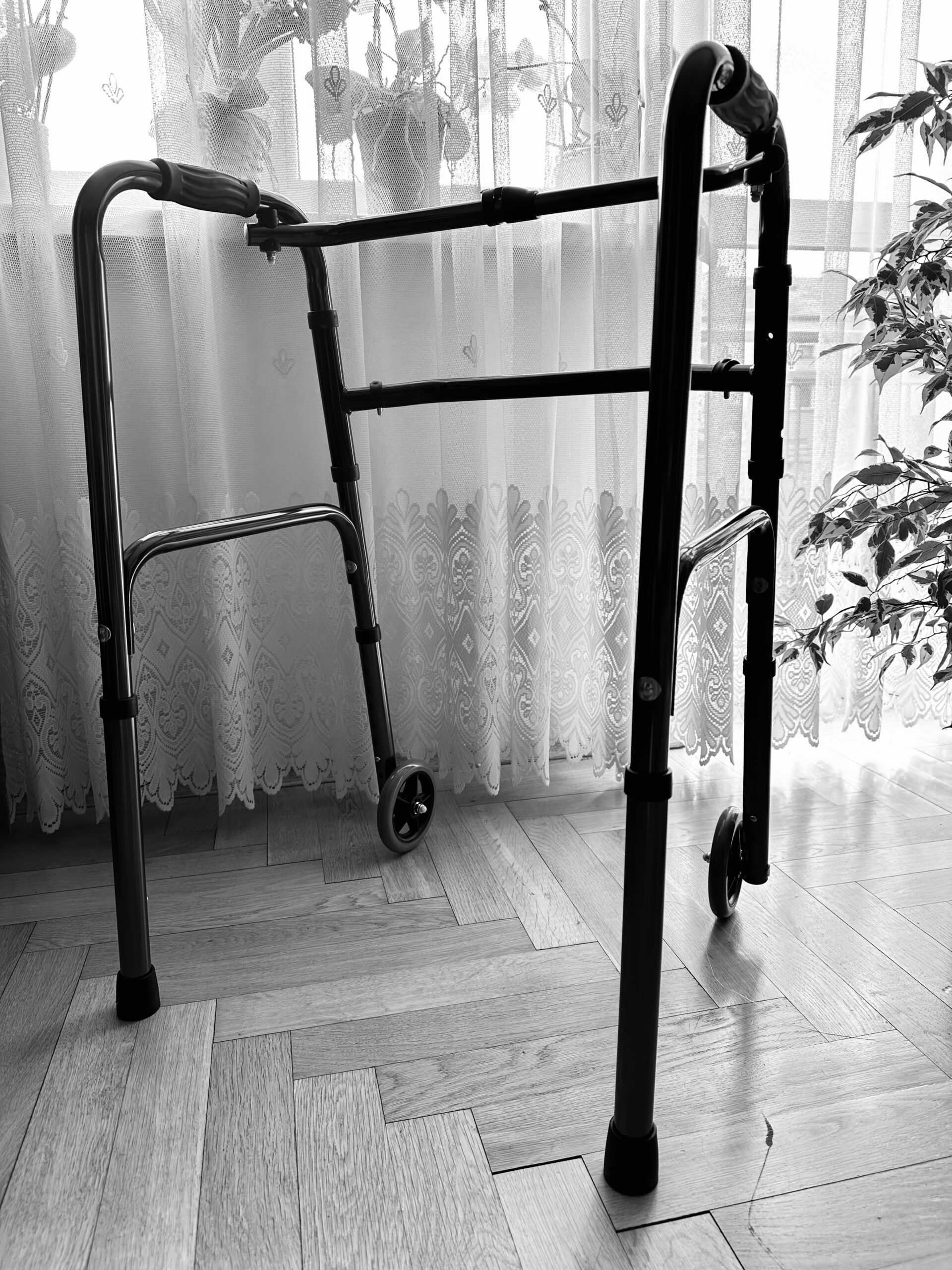
“You must be joking if you think I’m going to use THAT!”—this was my mother’s reaction when she saw the object I had placed in her room. A walker.
Although designed to provide stability and safety for seniors, this device is often met with resistance. For many people in their prime, it symbolizes old age, frailty, and limitations, sometimes even becoming the subject of jokes. However, this perspective can change after spending a few days in the small Spanish town of Pego in the province of Valencia.
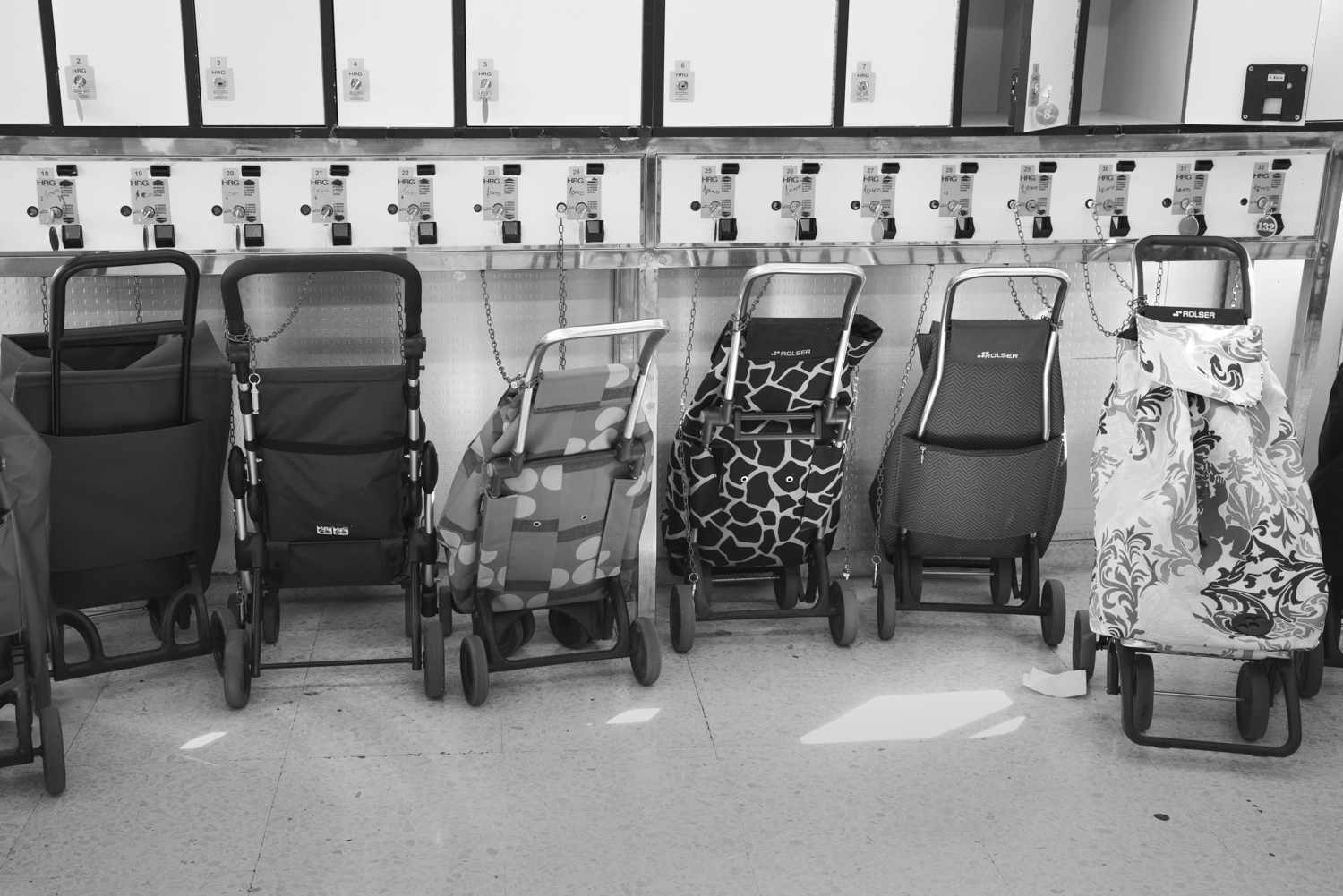
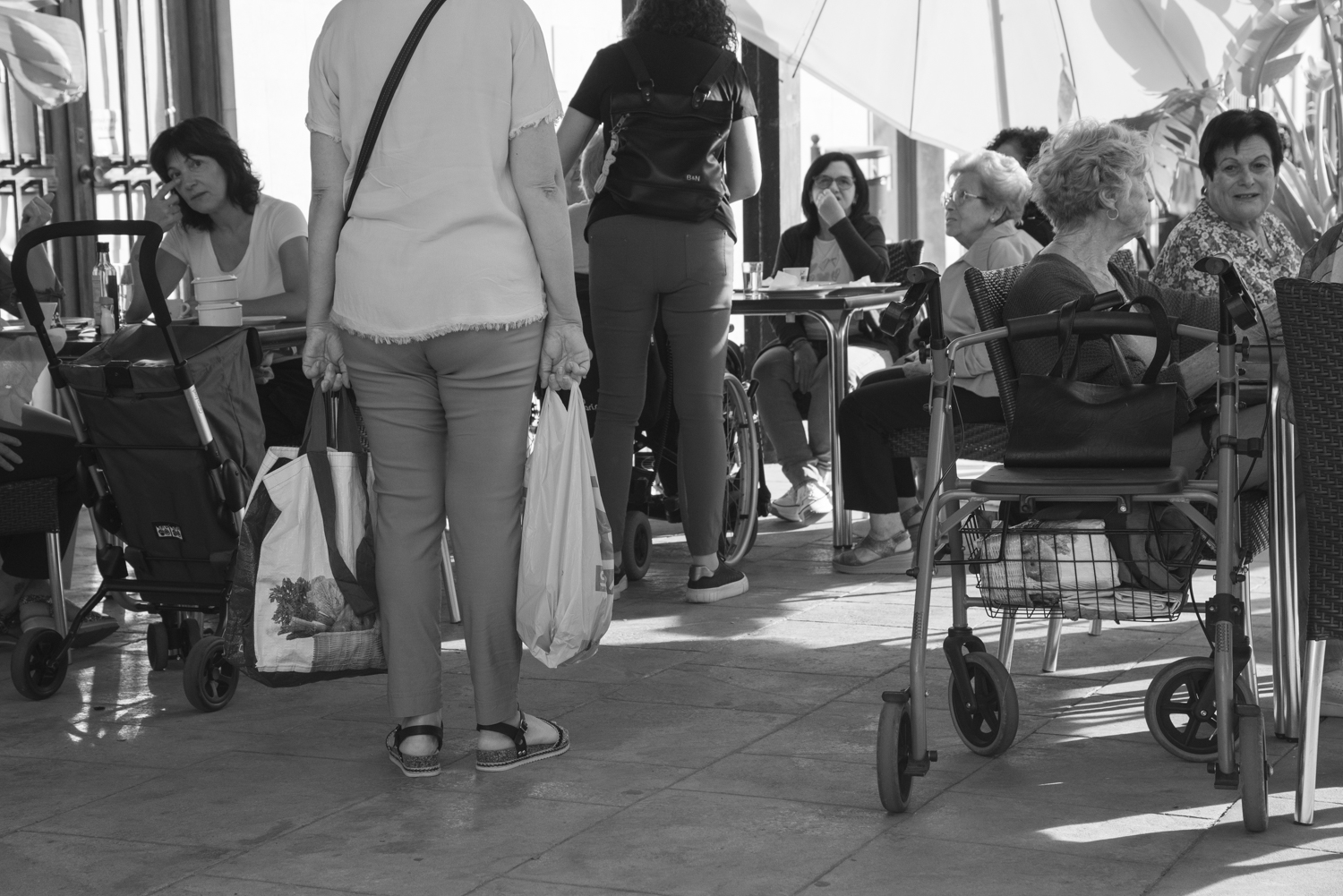
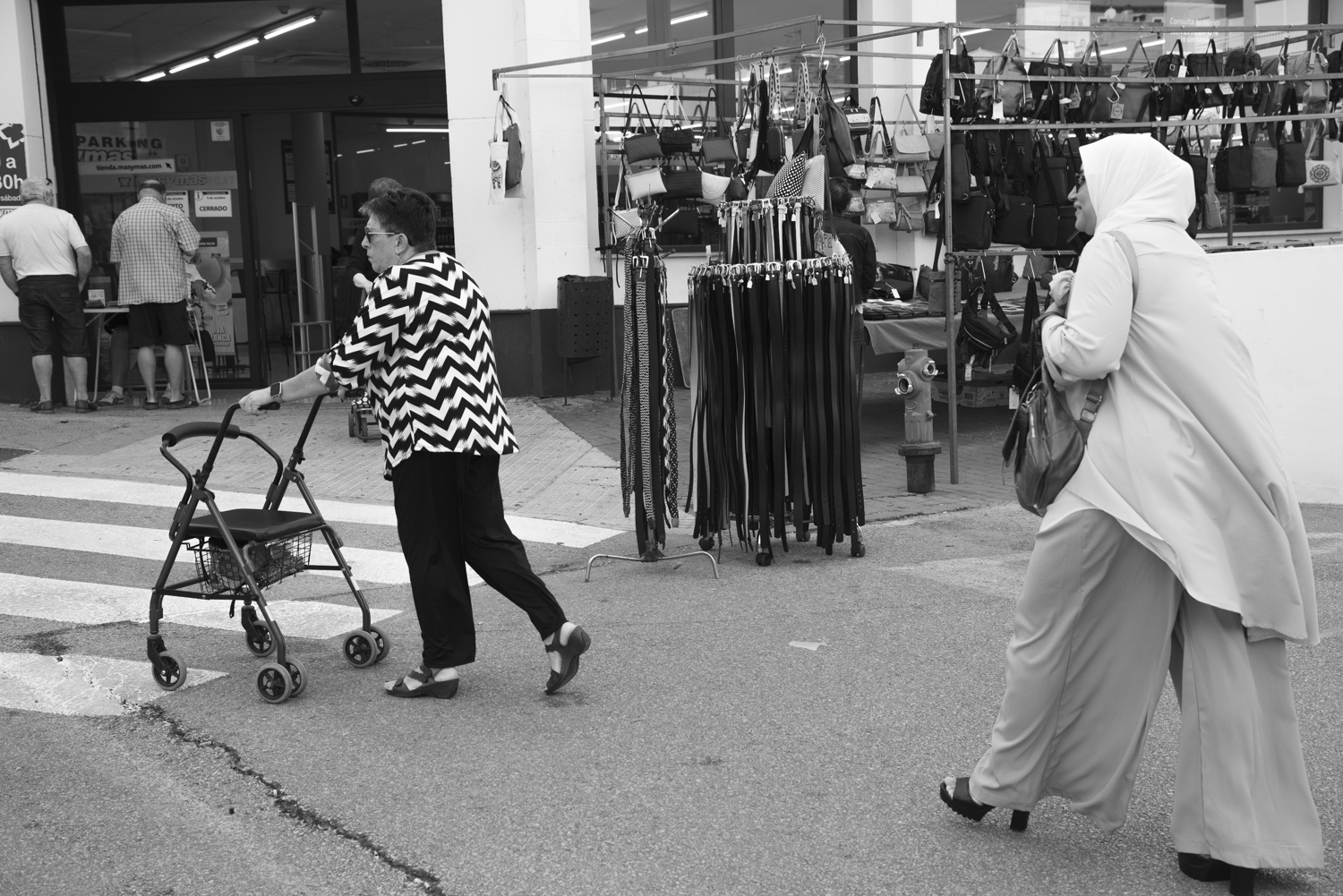
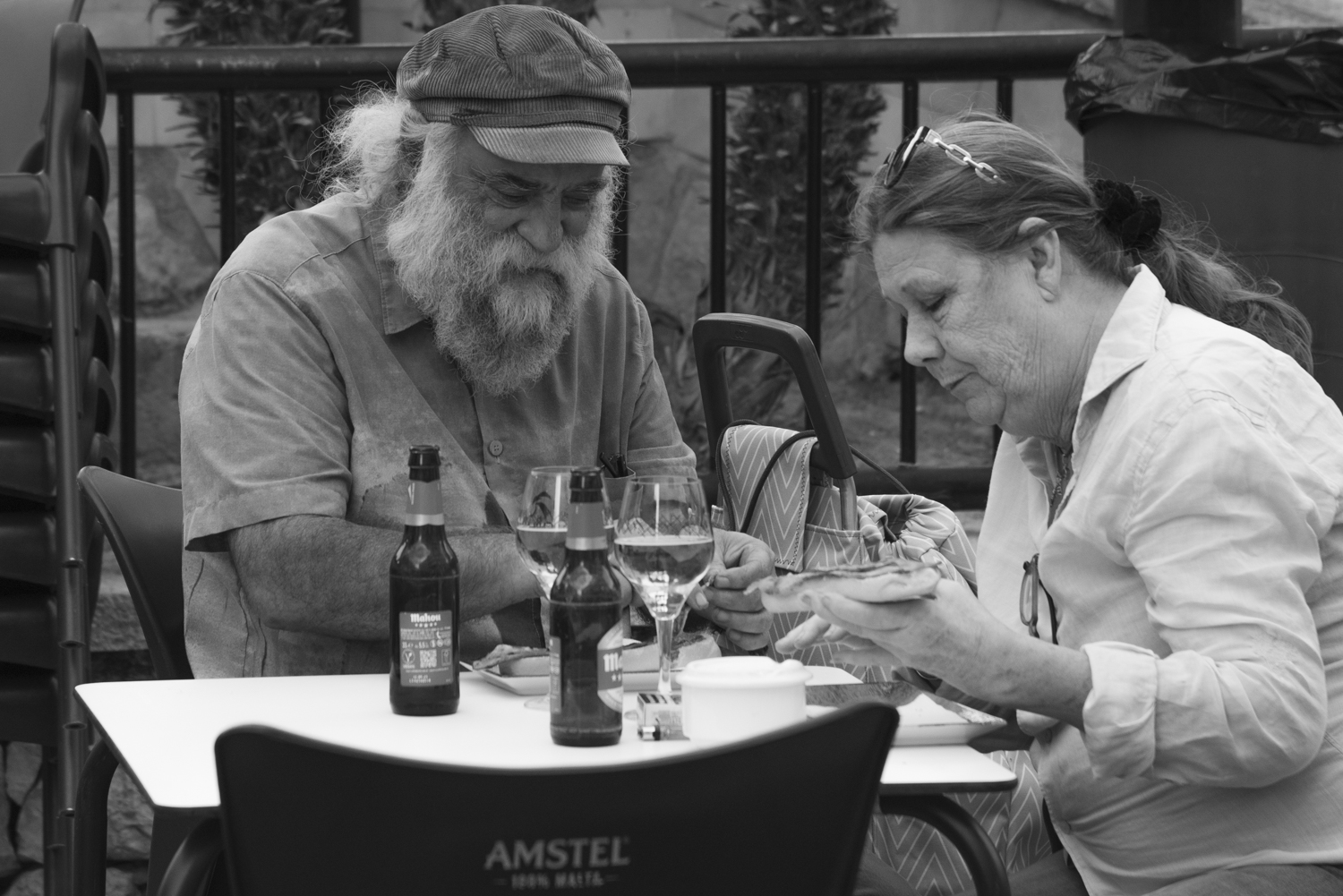
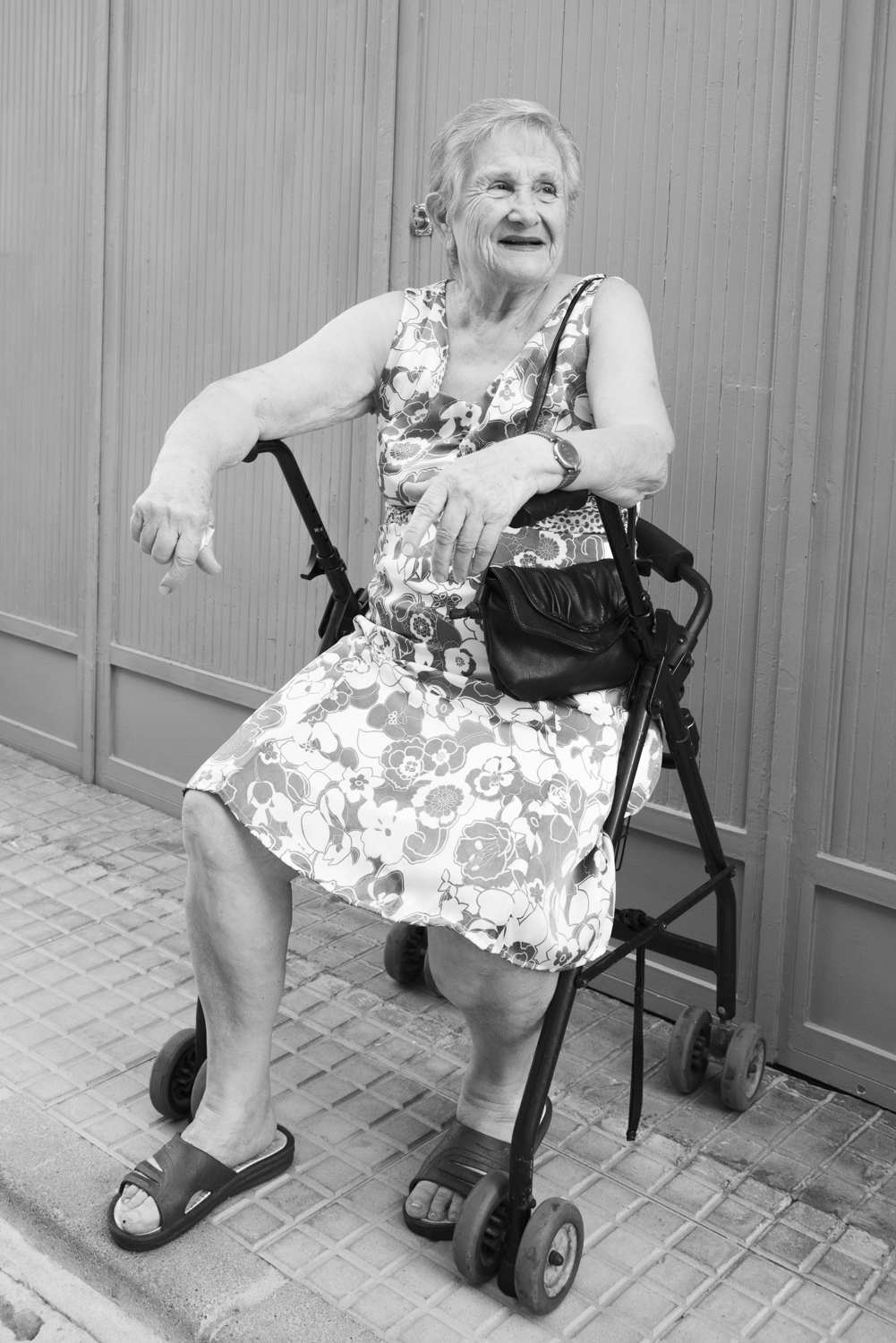
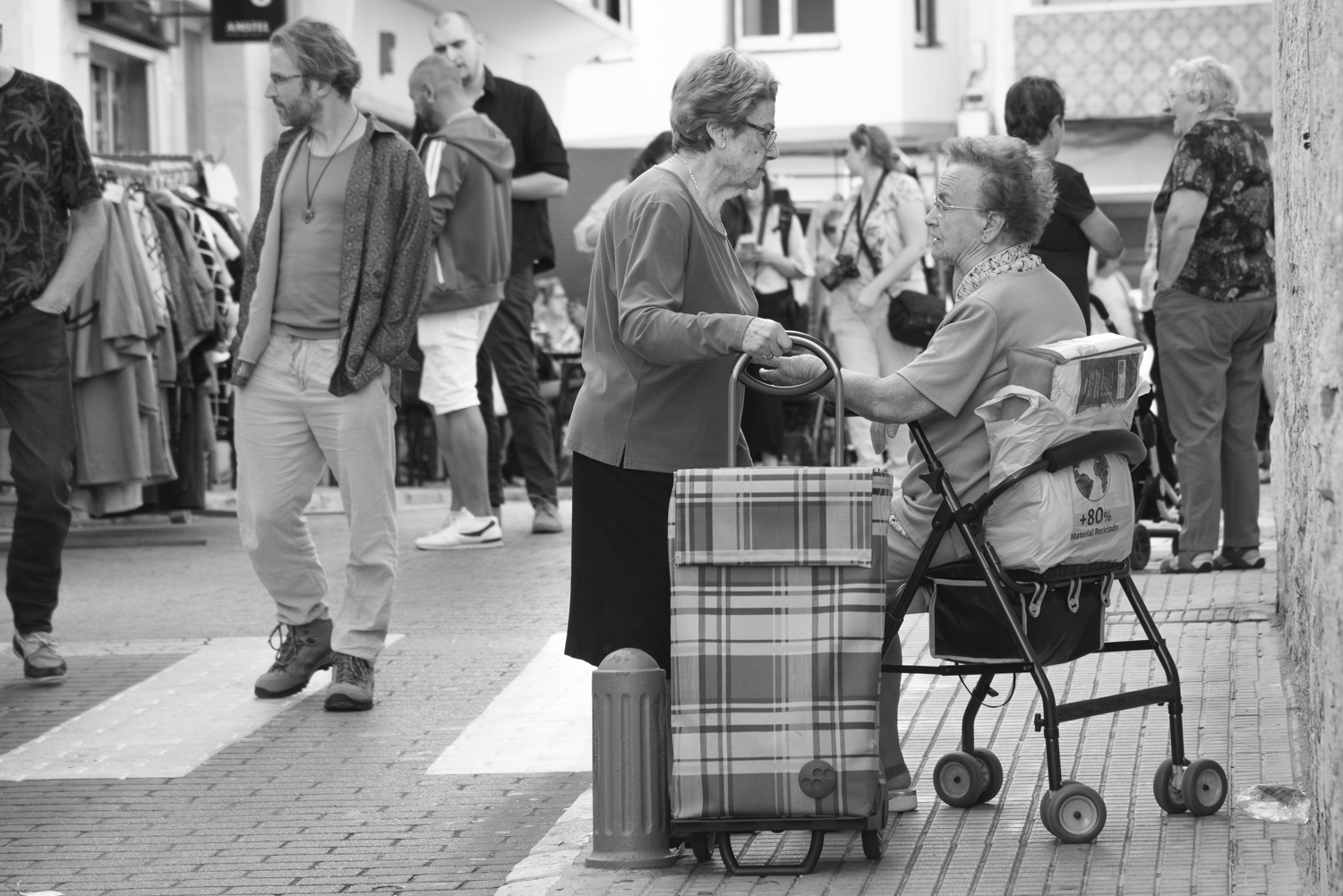
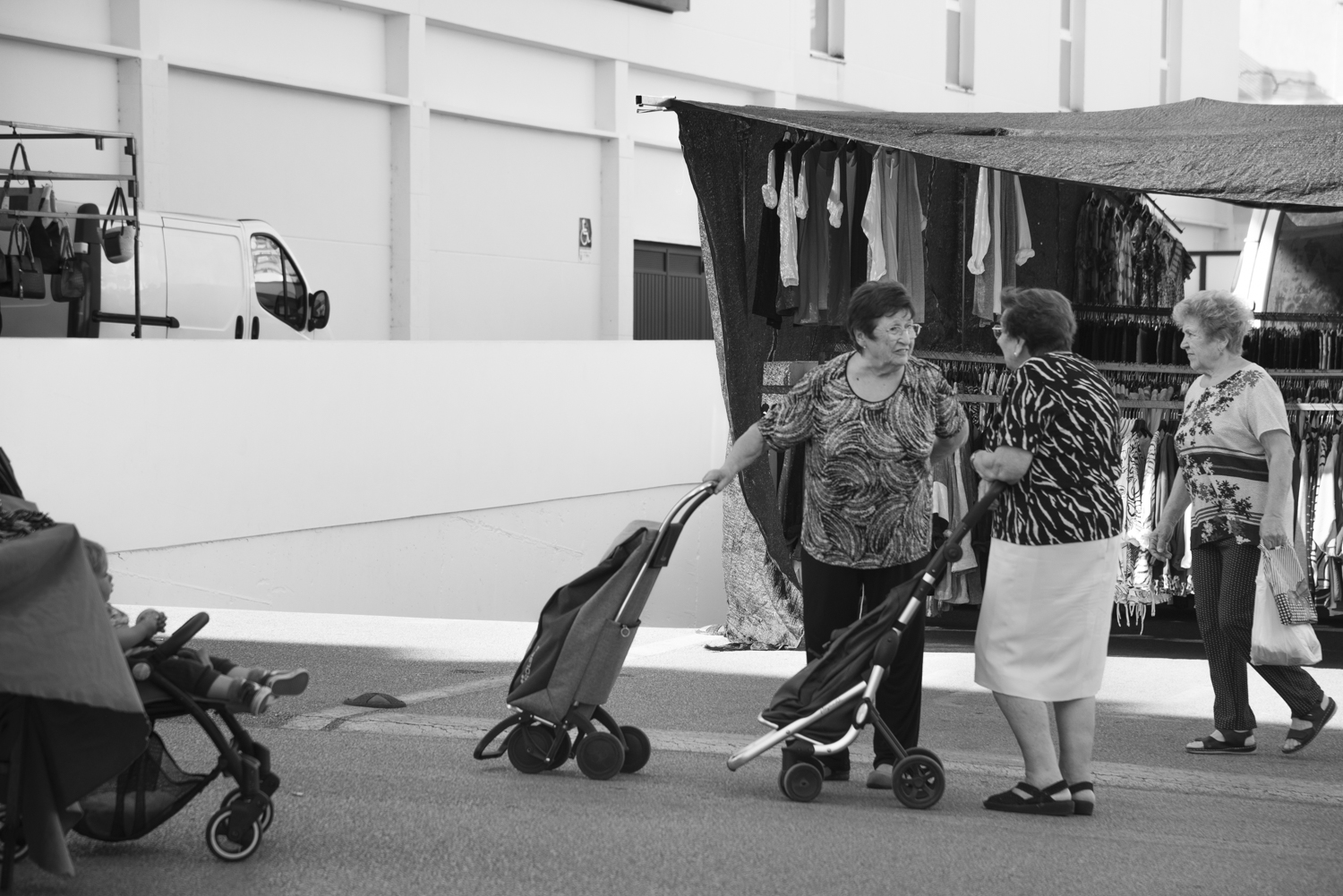
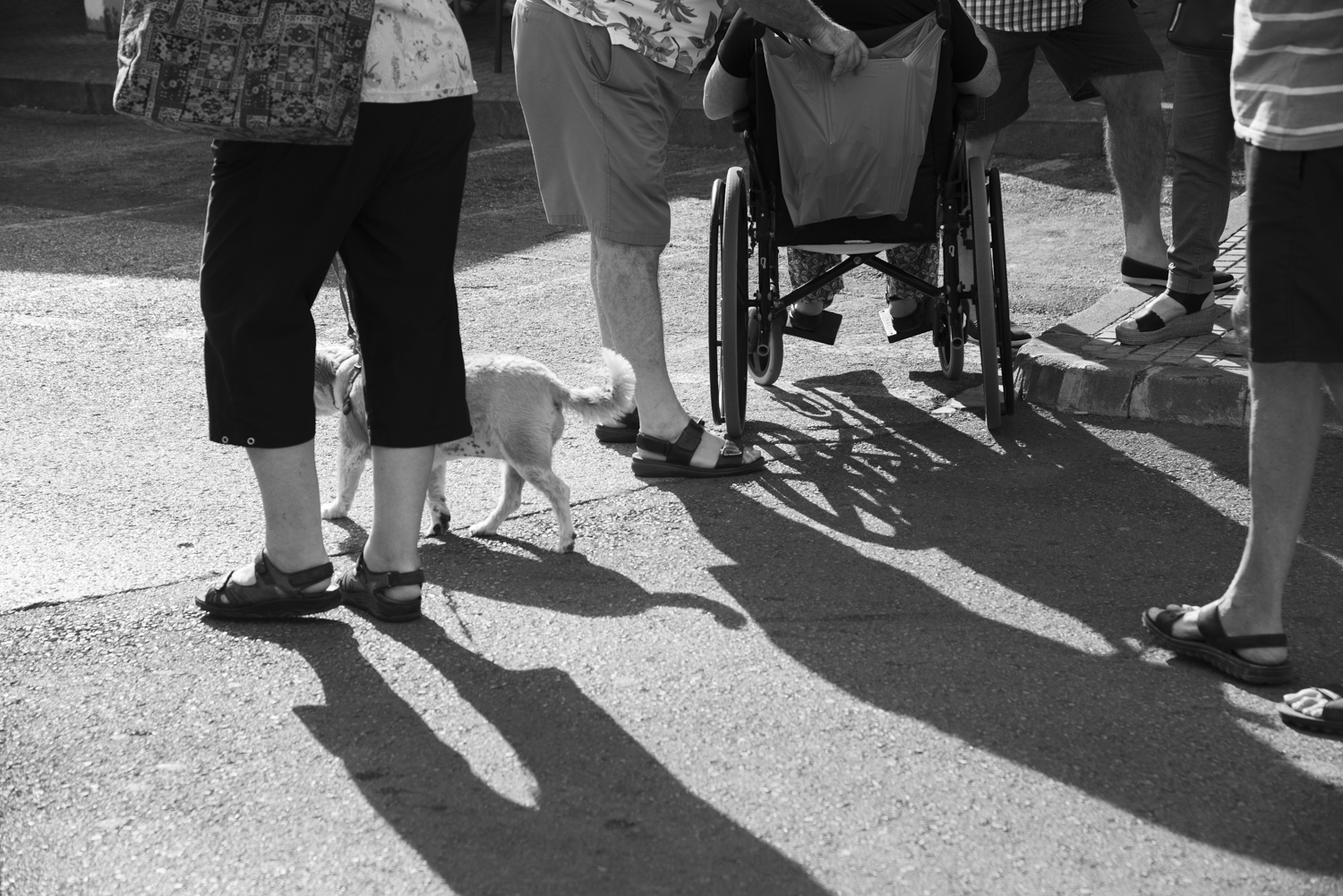
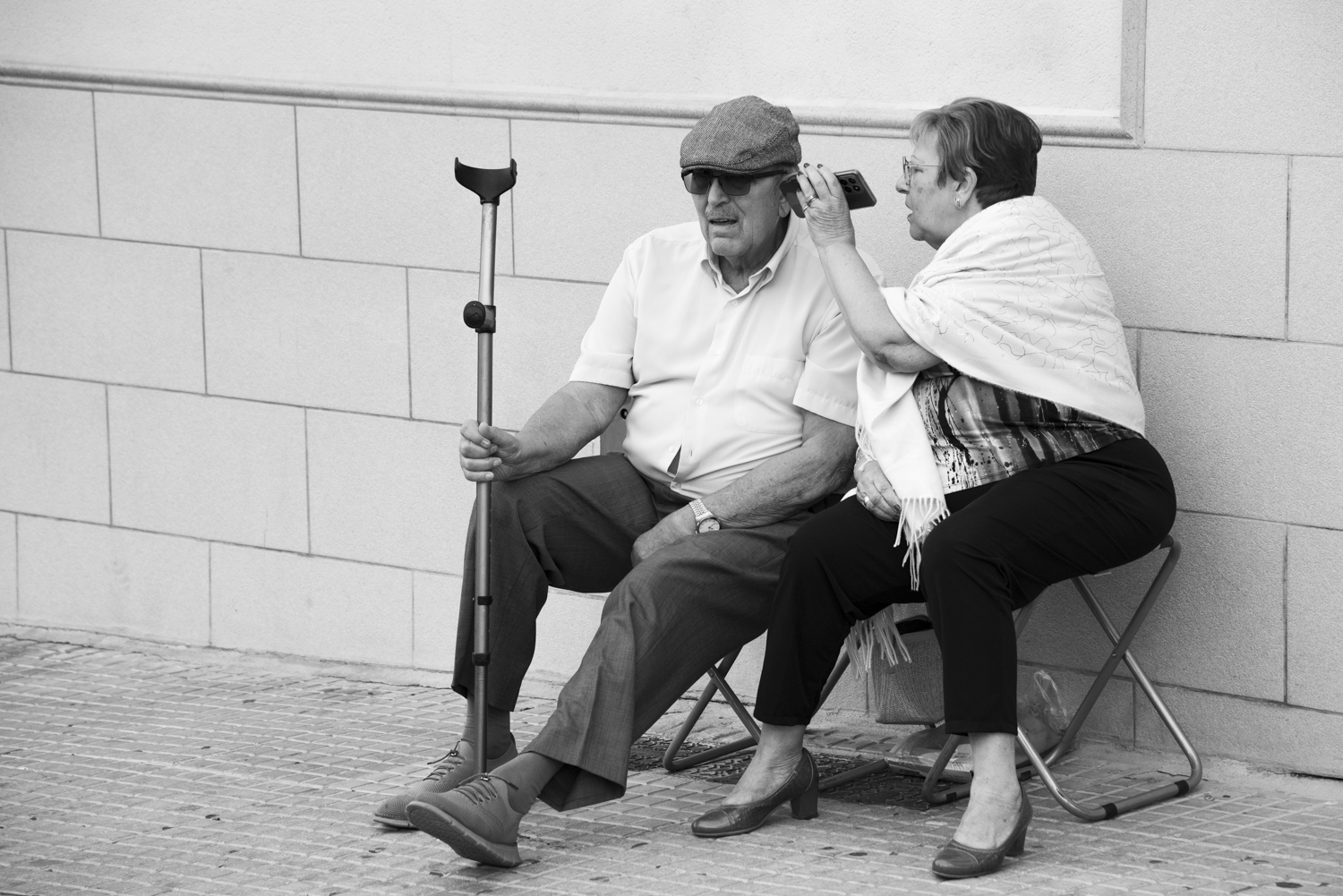
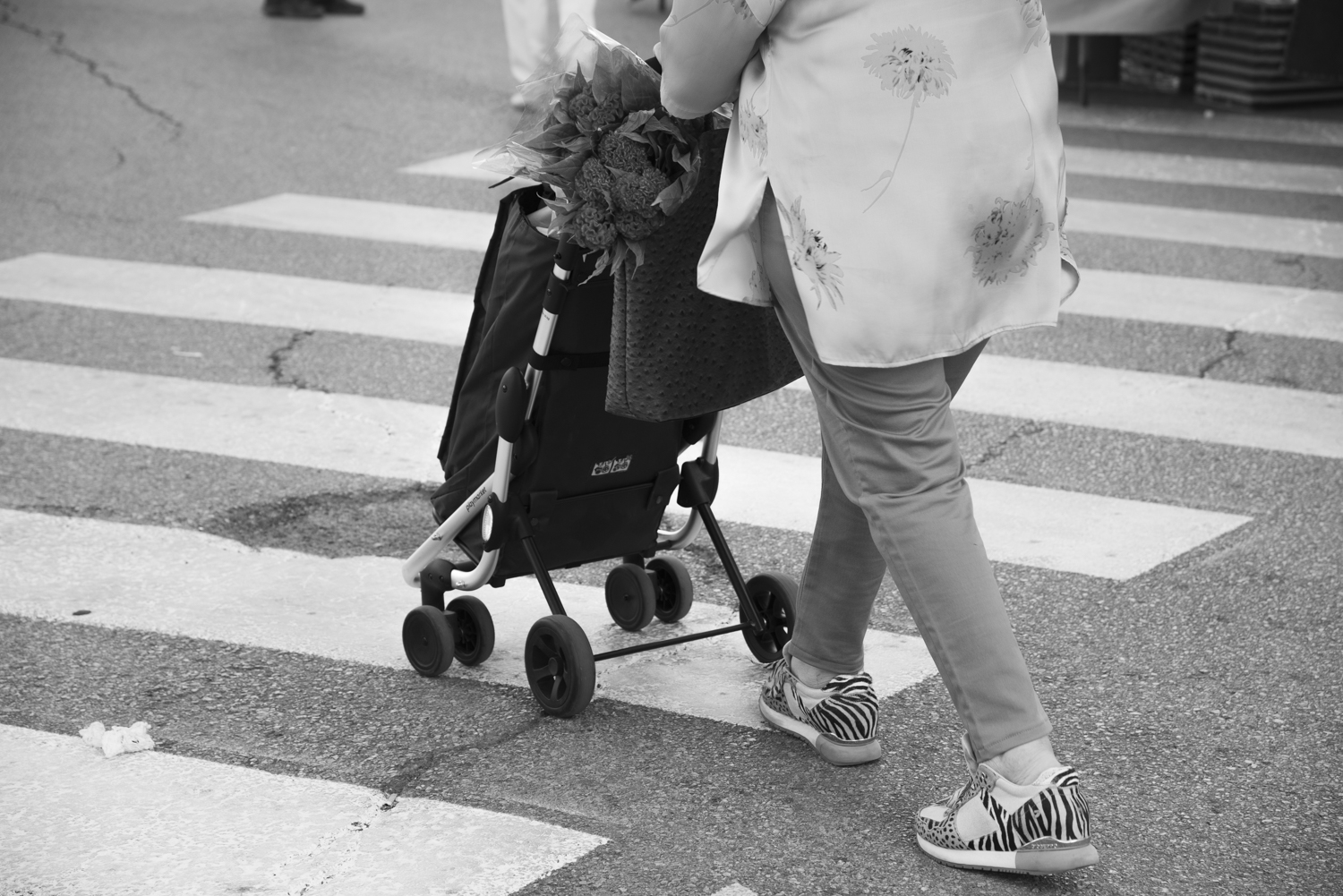
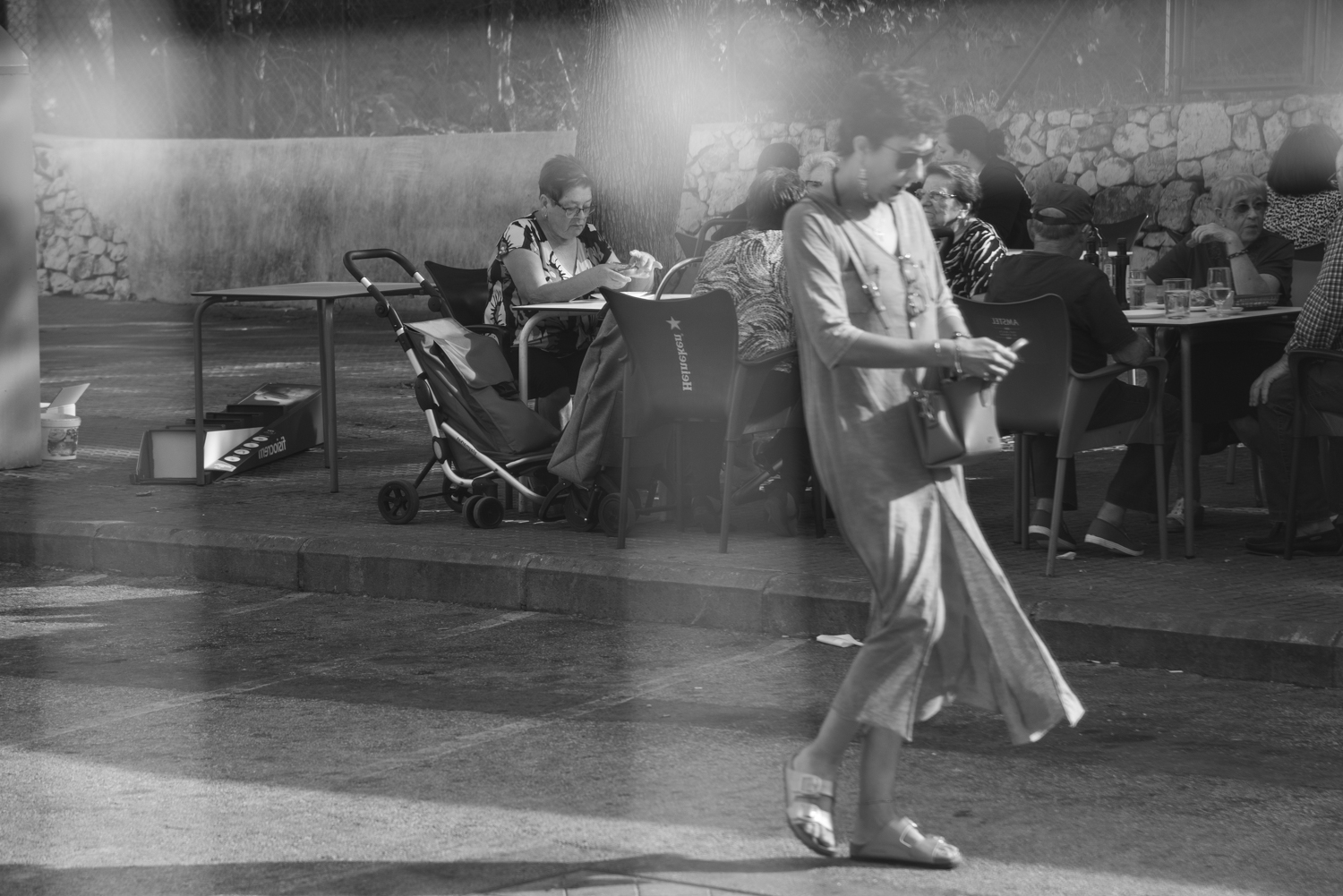
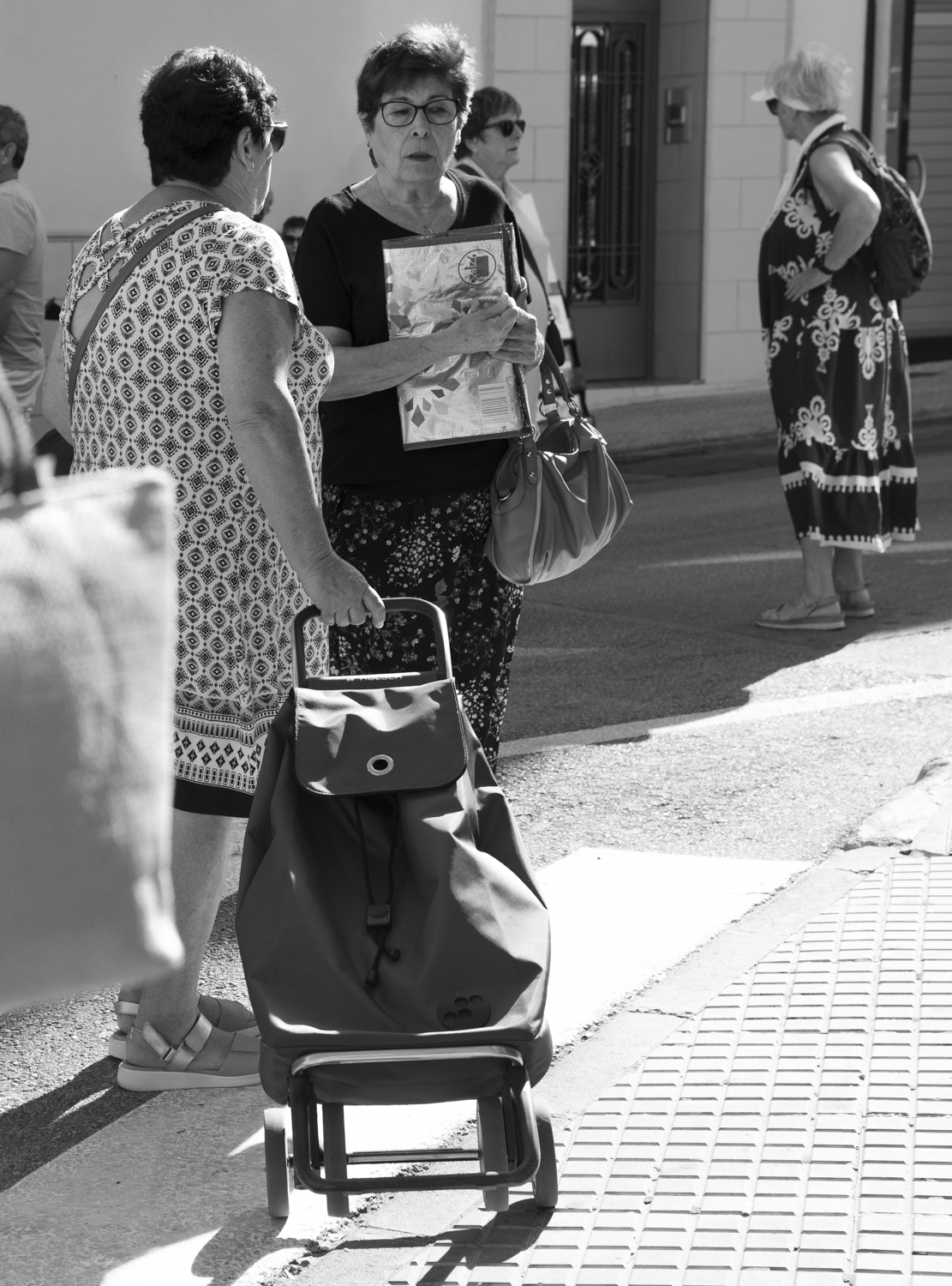
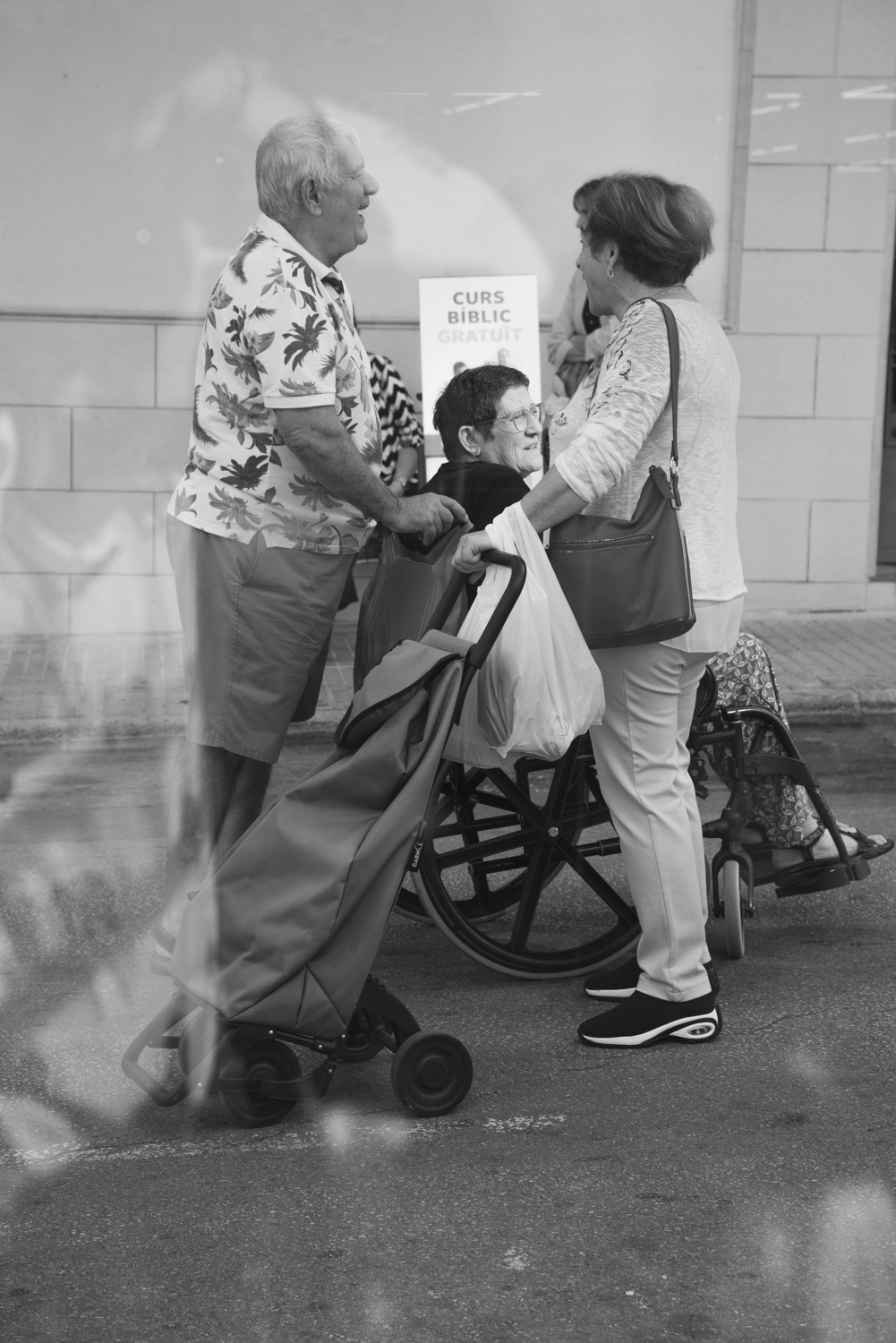
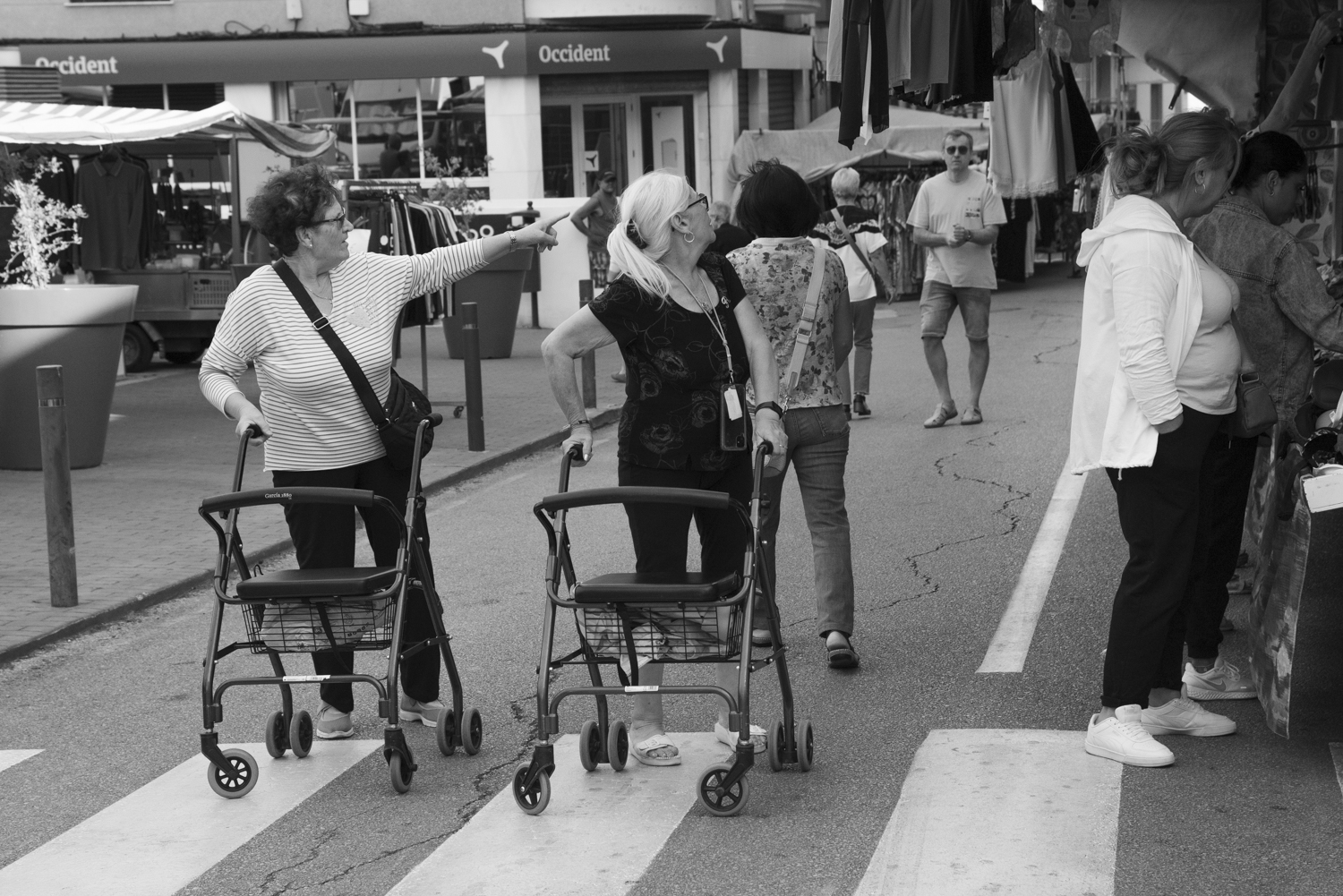
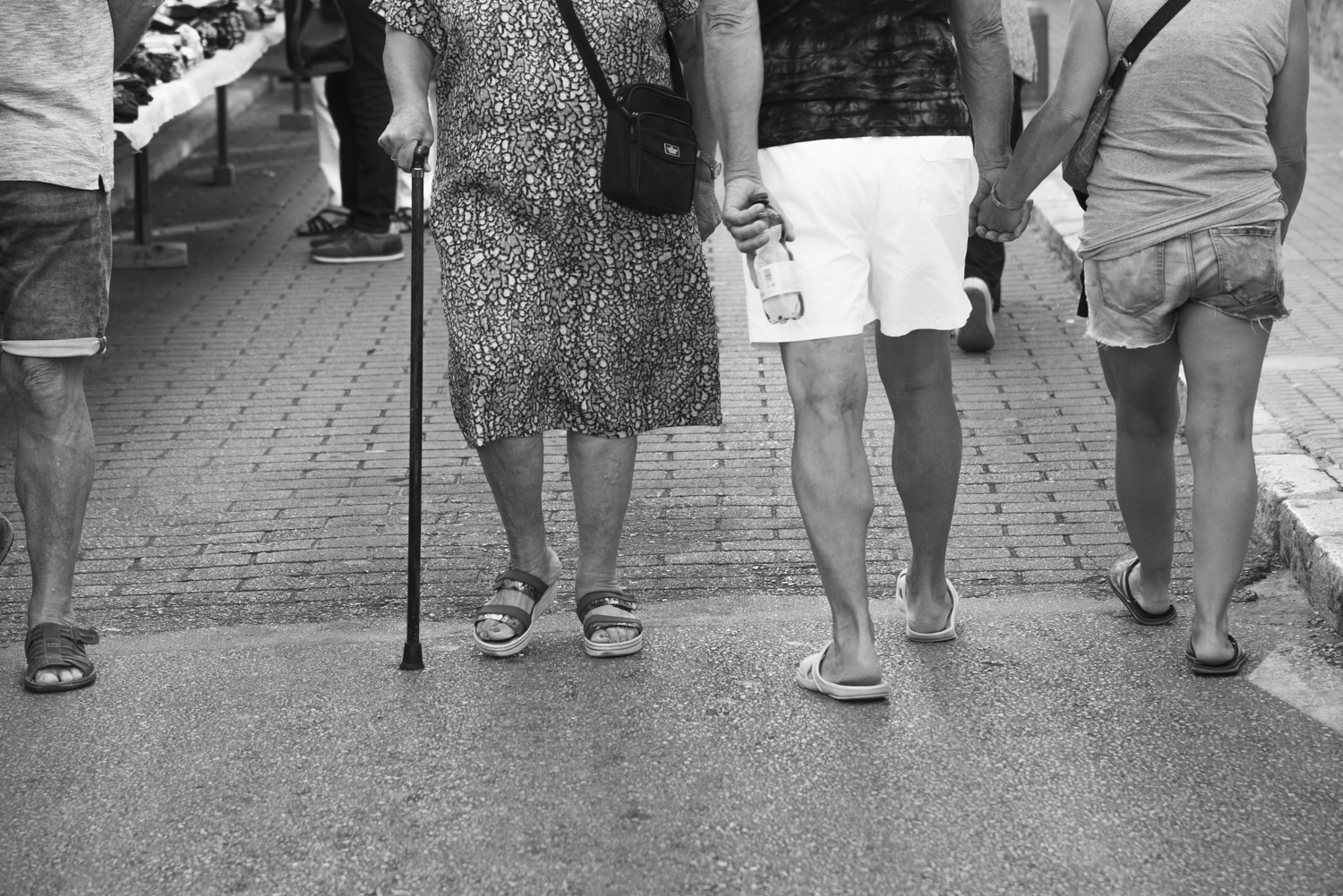
Spain has long been a popular destination for European retirees, drawn by its warm climate and appealing lifestyle. Moreover, the country is known for its multigenerational culture, where seniors are active participants in social life. A simple walk through the streets of Pego reveals elderly individuals engaging in daily activities—shopping at the market, meeting in cafés, enjoying conversations, and staying active outdoors.
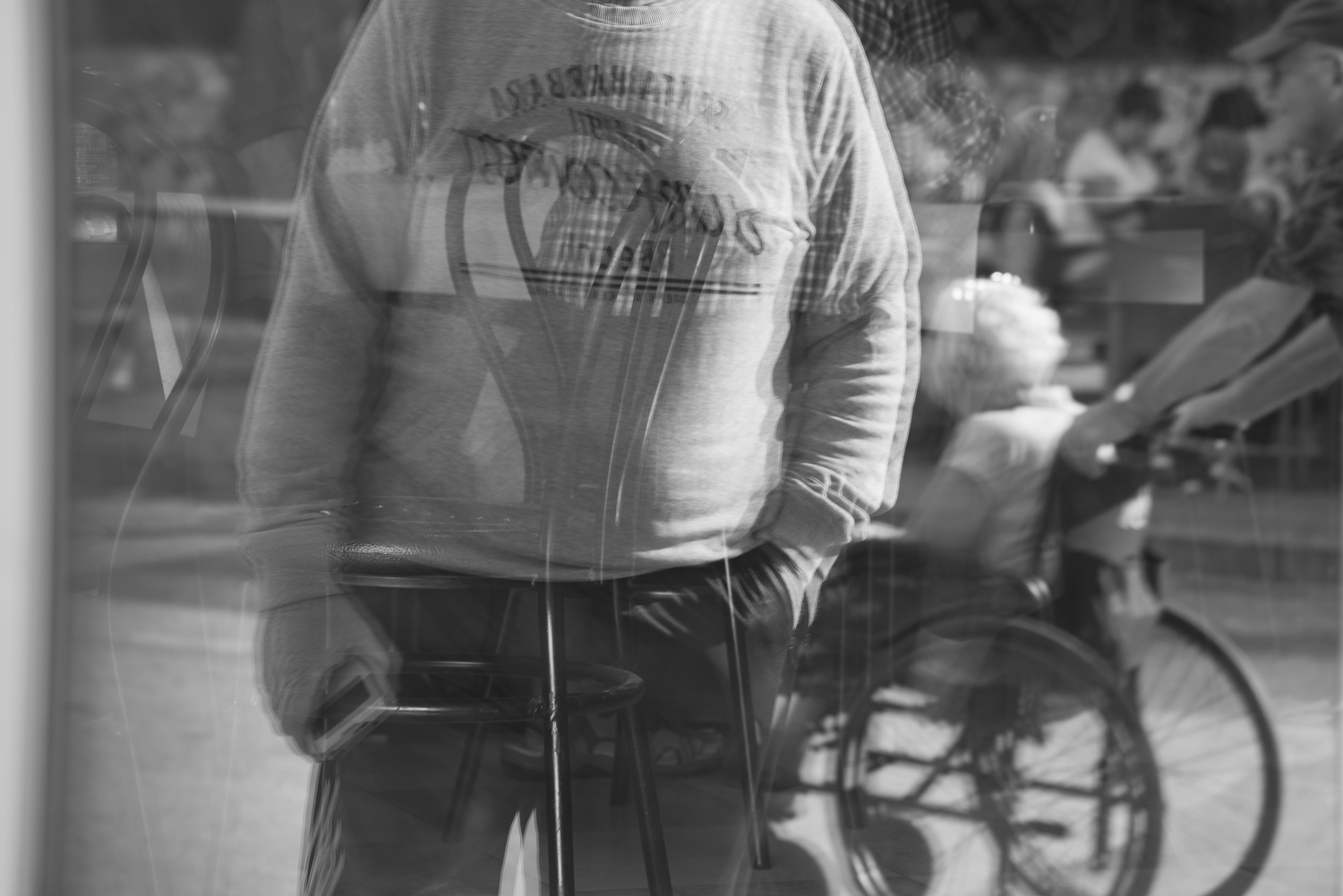
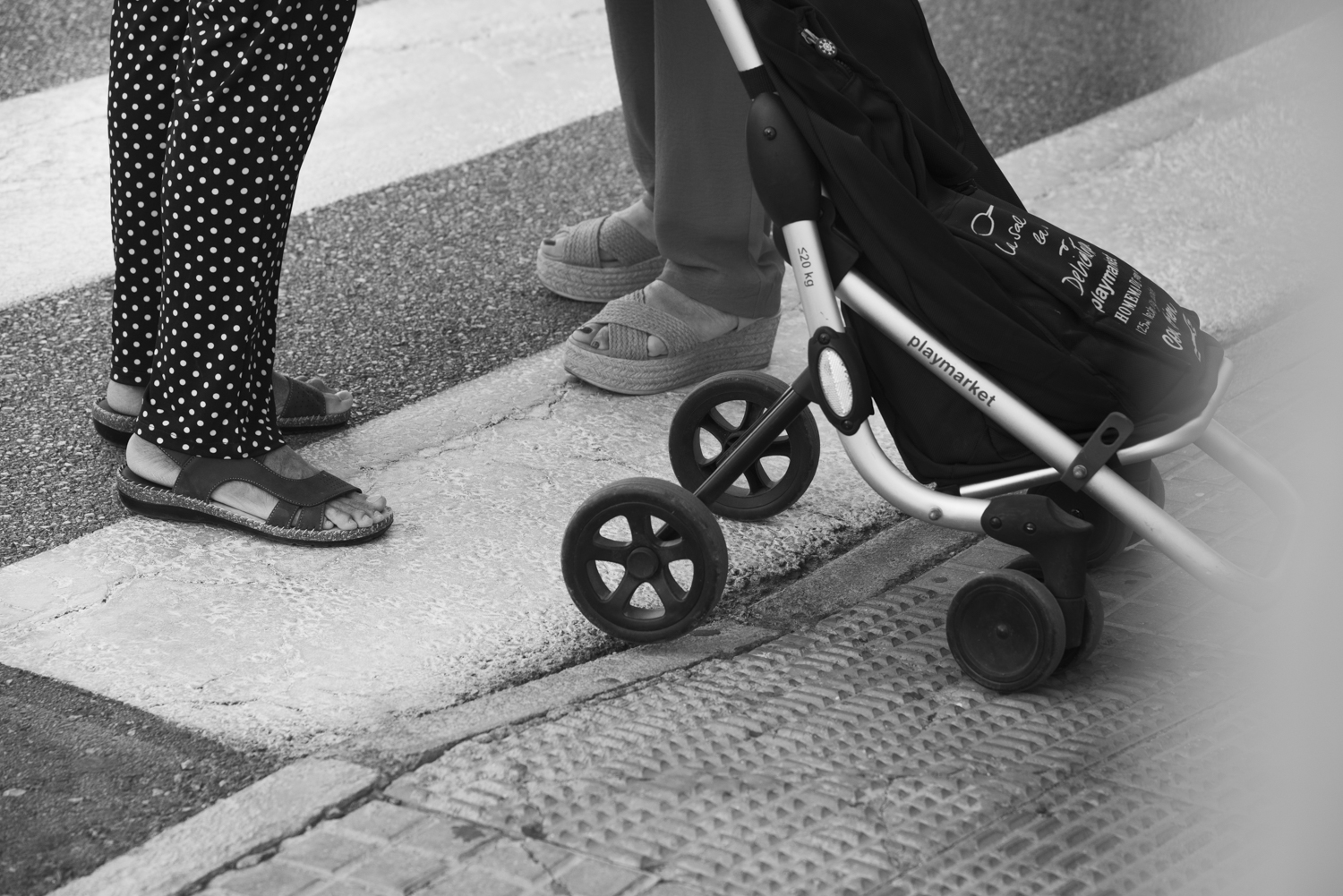
What supports them in this? Among other things, walkers, rollators, and mobility aids, which are completely normal here. Many are equipped with extra seats, shopping baskets, bags, and even hooks for dog leashes. No one is embarrassed to use these conveniences because they are seen as tools for an active and independent life.
Seeing how seniors in Spain embrace everyday life, I wish our society had a similar attitude toward mobility aids. I hope older individuals don’t feel excluded but instead can freely use the available solutions that help them stay mobile and independent for longer.
Unfortunately, I couldn’t convince my mother to use the walker I had bought for her. I also didn’t get the chance to show her photos that might have changed her perspective. But I hope that, over time, walkers will become a symbol of freedom rather than limitation in our society too.